Skull Weed Trippy World Tumbler 7: Embroidery Design Analysis
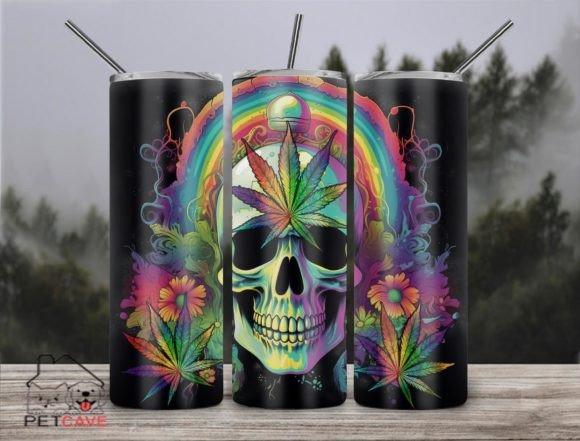
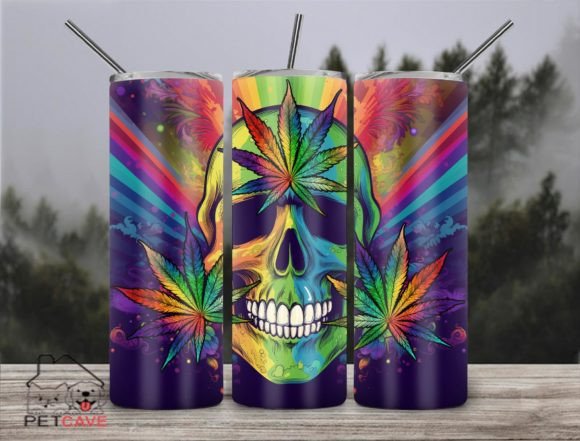
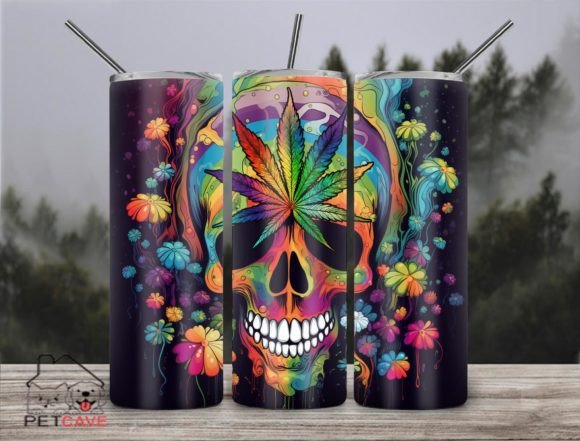
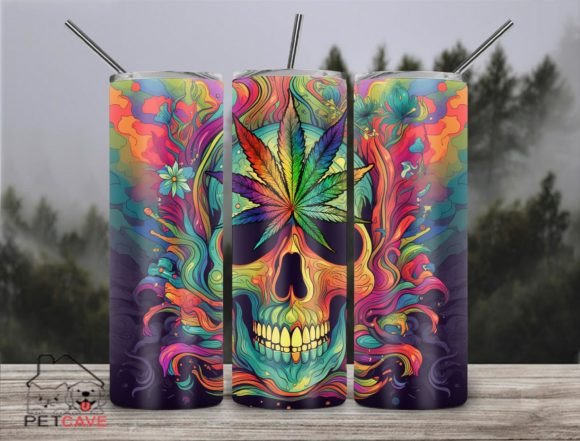
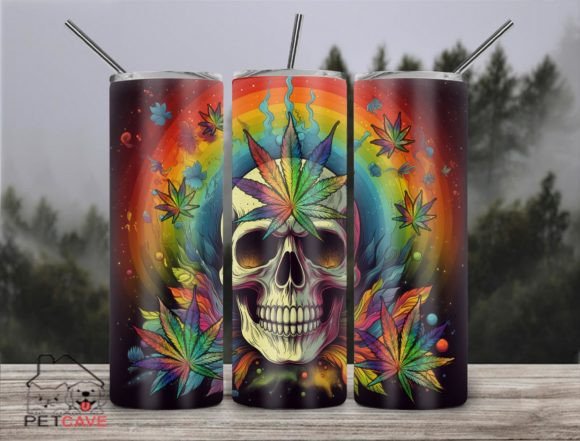
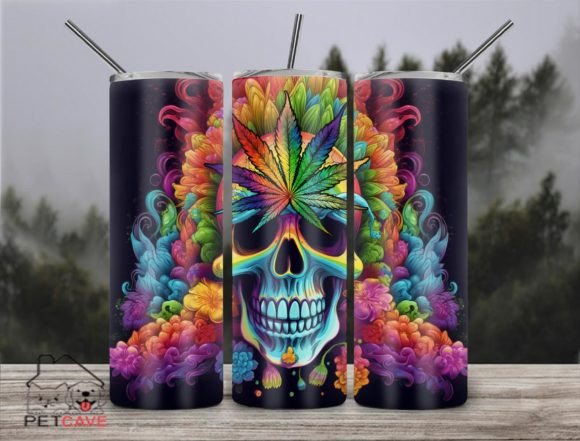
When I first opened the file for Skull Weed Trippy World 20oz Tumbler 7, I was immediately drawn to its unapologetic, psychedelic energy. The artwork is a wild mashup of a grinning skull, stylized cannabis leaves, and swirling, trippy background patterns that feel like a modern take on vintage concert posters. As an embroidery designer, I don’t see this as just a tumbler wrap graphic — I see a bold statement piece that could translate into a striking machine embroidery design, provided you approach it with a clear understanding of stitch reality. The listing delivers two high-resolution PNG files, one straight and one tapered, both at 300 DPI and a generous 9.3” x 8.2” size. That’s a solid canvas for digitizing, but the real question is how this intricate artwork will behave once thread hits fabric.
I often evaluate design assets like this through the lens of a real project. Imagine a small shop owner preparing a custom embroidered denim jacket for a 420-friendly boutique. The customer wants something that grabs attention without looking cheap. This design, with its layered skull and botanical motifs, has that gritty, festival-ready vibe. But embroidery is not printing — every tiny detail, every color transition, and every thin line becomes a stitch decision. The skull’s teeth, the delicate leaf veins, and the mesh of trippy swirls in the background will either become a beautiful textured masterpiece or a chaotic, puckered mess, depending on how you digitize and test it.
First Impressions: A Psychedelic Statement Piece
The mood of Skull Weed Trippy World 20oz Tumbler 7 is loud, counterculture, and distinctly unisex. The skull sits front and center, with a mischievous grin that feels more playful than threatening. Cannabis leaves wrap around it like a natural crown, while the trippy world background adds a layer of hallucinatory depth. Visually, the composition is well-balanced for a square or slightly rectangular hoop area. The high contrast between the dark skull outlines and the lighter background elements promises strong stitch definition if you choose thread colors wisely — think neon green, deep purple, charcoal, and off-white. The design doesn’t include tiny lettering, which is a relief for embroidery; small text is often the first thing to turn illegible on textured fabric.
From a designer’s perspective, the straight version of the PNG is the one I’d use for apparel and flat goods. The tapered version is obviously tailored for a tumbler, but if you’re creative, you could use it as a patch shape or a curved element on a cap. The 9.3” width is slightly larger than many standard embroidery hoops, so you’ll need to verify your machine’s maximum embroidery area. Many home machines cap at around 8” x 12” or 10” x 6”, so you might need to split the design or scale it down, which will affect detail. Before you even start digitizing, measure twice and decide if you’ll embroider the whole thing or just the central skull portion.
How It Performs on Real Fabric
In my shop, I always test a new design concept on a few different fabric swatches. For this one, I’d run tests on medium-weight cotton canvas, a sturdy sweatshirt fleece, and a non-stretch denim. The Skull Weed Trippy World artwork demands a stable base fabric; anything too thin or stretchy will distort the intricate fill stitch areas. The detailed background swirls can easily become a dense mass of thread that causes puckering on lightweight t-shirts. If you plan to use it on a tote bag, a canvas tote is your best bet — the natural stiffness helps the satin stitch borders stay crisp. For a hoodie or sweatshirt, use a heavy cutaway stabilizer and baste the design carefully to avoid shifting.
Thread color selection will make or break the final look. The skull’s shading suggests gradients, but in embroidery, you’ll likely need to simplify to three or four solid tones. I’d use a cream base for the skull, a mid-gray for shadows, and a dark charcoal for the deepest crevices. The weed leaves demand a vibrant green; a single flat green with a darker green outline works better than trying to blend too many shades. The trippy background is where you have to be pragmatic. As a stitched element, it could become too dense and stiff. I’d consider using a light fill stitch with a lower density, or even replacing the most complex parts with a simpler running stitch pattern that hints at the swirls without overwhelming the fabric. The design also has potential for an applique approach — you could stitch the skull and leaves as separate fabric pieces, then add decorative stitching for the background details. That would keep the final product softer and more wearable.
Where This Design Shines and Where It Struggles
This artwork is a natural fit for custom apparel that targets a niche audience. Festival hoodies, back patches for denim vests, and even large decorative pillow covers would all be strong candidates. The skull motif is popular year-round, but the cannabis theme makes it especially relevant for 420 holidays, Halloween, and music festival merchandise. I can see it on a black canvas tote bag with lime green and silver thread — the contrast would be striking. On a dark fabric, the design’s lighter areas will pop, but you’ll need to add an underlay stitch to prevent the base fabric from showing through thin areas.
However, I’d be cautious about using Skull Weed Trippy World 20oz Tumbler 7 on baby items, nursery decor, or anything intended for a mainstream family audience. The theme is explicit and not universally appropriate. For a small business, that’s not a flaw — it’s a brand positioning choice. It’s perfect for an Etsy seller who specializes in alternative fashion, smoke shop accessories, or edgy handmade gifts. Just be clear in your product photos and descriptions so customers know exactly what they’re getting.
Curved surfaces like caps are tricky. The design’s square-ish proportions don’t naturally fit the arched front of a baseball cap. You could rotate the skull 90 degrees or use only the central skull portion and leave out the extensive background. A patch, on the other hand, is an excellent way to use the full design. Embroider it on felt or twill with a merrowed edge, and you’ve got a sellable standalone product that customers can sew onto their own gear.
Practical Embroidery Tests You Should Run
Because this is a graphic file and not a ready-to-stitch embroidery file, all the technical responsibility falls on you. Don’t assume the PNG will digitize smoothly. I always run a test stitch-out on scrap fabric identical to the final product. Check the stitch density in the detailed areas — if the machine struggles or thread breaks, you’ll need to reduce density or simplify the artwork. Inspect the small details like the leaf veins and the skull’s eye sockets. Those tend to close up or look messy if the stitch width is too narrow. In embroidery, anything less than 1mm width risks getting lost, so consider slightly exaggerating the thinnest lines during digitizing.
Test the design on both light and dark fabrics. On a white or tie-dye shirt, the skull’s shading might get washed out, so you may need to add a darker outline to define the shapes. I also like to test a black-and-white mockup to see if the design reads well without relying on color. If it loses clarity, rethink the contrast. For fabric with a heavy texture, like a waffle weave or thick terry cloth, the fine background details will be less visible, so you might want to simplify further or use a version with larger, bolder elements.
Always use a proper stabilizer. For a design this dense, I’d recommend a medium-weight cutaway stabilizer for garments and a tear-away for sturdy totes or patches. Wash the test piece several times to see how the threads hold up. The high-contrast colors might bleed if you use low-quality thread, so invest in good polyester embroidery thread that resists fading. The design’s owner will appreciate a product that stays vibrant after a dozen washes.
Turning the Design into a Profitable Product
From a business angle, Skull Weed Trippy World 20oz Tumbler 7 has strong potential for craft fair sellers and Etsy shops. The finished product — whether it’s an embroidered tote bag, a patch, or a sweatshirt — stands out in a crowded market. The psychedelic theme taps into the nostalgia of the 90s rave scene and the current popularity of trippy art. I’d price a custom embroidered sweatshirt featuring this design in the $45–$65 range, depending on the stitch count and garment quality. Patches could sell for $12–$18 each. For digital product sellers, offering a digitized embroidery file based on this artwork could be lucrative, but you must check the original seller’s license terms. The listing doesn’t explicitly state commercial embroidery rights, so reach out and confirm before you sell any physical or digital products derived from the PNG. Protect your business by getting written permission.
When photographing the finished product, showcase the texture. Take close-ups of the skull’s stitching and the leaf details. Buyers of handmade items want to see the craft, not just a flat graphic. The three-dimensionality of embroidery adds a premium feel that a simple print can’t match. If you’re creating a listing for a personalized gift, mention the thread type and the number of stitches — it adds transparency and trust. This design also works beautifully as a digital design preview; you can use the PNG to create realistic mockups for your shop, showing customers exactly how the embroidery will look on a navy hoodie or a beige tote bag.
One final tip: because the design is available as both a straight and tapered PNG, you can use the tapered version to create a unique curved patch or a decorative element that wraps around a sleeve. It’s a small detail, but it shows the kind of creative thinking that sets your handmade products apart. The Skull Weed Trippy World design is not for everyone, and that’s exactly its strength. It’s a niche product with a loyal following. As an embroidery designer, I appreciate the raw artistic energy it brings, and with careful digitizing and testing, it can become a standout piece in your craft business catalog. Just remember to always test, simplify where needed, and respect the original artist’s terms.