Sleeping Cat Vector Art: Graphics & Coloring Pages Amp
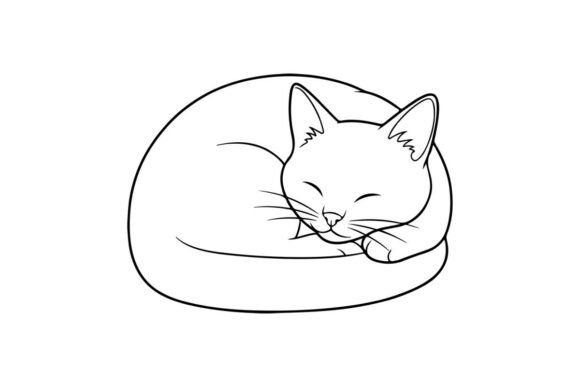
I downloaded the Sleeping Cat Vector Art file last week while sourcing fresh assets for a new line of printable relaxation products. My shop has been shifting toward mindfulness-themed digital downloads, and this illustration caught my eye because it promised something specific: clean, bold line art with carefully balanced details. The description mentioned a calming, creative experience, and honestly, that is exactly the kind of mood I want my next collection to carry. The file arrived as a crisp graphic design asset, and my first impression was that the linework felt deliberate. Nothing was overly busy or thin. The cat's posture, the spacing of the whiskers, the gentle curve of the tail — all of it read as intentionally composed. This is not a rushed sketch. It is an illustration that understands its audience: people looking for stress-free creative activities, printable wall art, and quiet decorative pieces.
For sellers who operate in the Coloring Pages Amp niche, an asset like this can be a quiet workhorse. I say that because the visual personality of Sleeping Cat Vector Art sits comfortably between cute and elegant. It skews toward a modern, hand-drawn aesthetic that appeals to adults who color for mindfulness, as well as crafters who need a gentle animal motif for nursery prints, greeting cards, or scrapbooking layouts. It does not lean too childish, nor does it feel overly stylized. That balance matters when you are trying to build a cohesive Graphics collection that can serve multiple product types under one brand identity.
First Impressions and Niche Appeal
Opening the file, I immediately tested how the linework held up at different scales. The bold outlines meant that even at thumbnail size, the cat remained readable. That is a practical advantage when you are designing listing images for an Etsy product or a Creative Fabrica digital download. Buyers scroll fast. If a thumbnail looks muddy or the lines blur together, they move on. With Sleeping Cat Vector Art, the visual hierarchy is clear enough that the image communicates quickly — a curled, peaceful cat with just enough interior detail to invite closer inspection.
The mood is calming without being sleepy in a dull way. I would describe it as restful, which fits the current demand for wellness-oriented digital products. Think about the kind of buyer who purchases printable coloring pages after a long workday, or a small business owner who wants a gentle animal graphic for a handmade business card or a social media graphic promoting a relaxation workshop. This asset speaks to that audience naturally.
Testing Across Product Categories
Before I list any design asset in my shop, I run it through a mental checklist of product types. For Sleeping Cat Vector Art, I tested it conceptually across several formats. As a printable coloring page, it performs exactly as expected. The line art is clean, the spaces are generous enough for coloring without being so large that they look empty, and the overall composition fits standard paper ratios without awkward cropping. I printed a sample on cardstock, and the lines remained sharp at full size. No pixelation, no thinning. That gives me confidence in offering it as a high-resolution printable design.
For SVG applications, the file imports cleanly into design software. The paths are closed, which is what you want for Cricut projects and Silhouette cutting. I tested a vinyl cut on a tote bag mockup, and the design separated well from the background. The sleeping cat silhouette works especially well for heat transfer vinyl because the bold outlines create a strong, recognizable shape even when reduced to a single color. That opens up possibilities for t-shirt design, mug design, and tote bag prints. If you run a print-on-demand store, this illustration could sit comfortably on a cozy apparel line, a set of mugs for cat lovers, or a series of tumbler wraps with a calm, minimalist aesthetic.
For sticker design, I would recommend scaling the art carefully. The interior details are delicate enough that tiny sticker sheets might lose some of the finer lines. I tested a mockup at roughly two inches wide, and the whiskers and facial features still held up. Any smaller, and I would simplify the design or use it as a silhouette only. Larger sticker formats, like planner stickers or laptop decals, work beautifully.
Building a Product Collection Around a Single Asset
One thing I have learned over years of selling digital products is that a single strong illustration can anchor multiple listings. With Sleeping Cat Vector Art, I can see a clear path to building a themed product bundle. Start with the core coloring page as a standalone digital download. Add a matching set of printable wall art in different color treatments — perhaps a soft watercolor version, a monochrome minimalist print, and a boho-toned variant. Then branch into a Canva template for a greeting card that uses the cat as the focal illustration. From there, create a sublimation design for a mug, a tote bag graphic, and a simple social media template for a cat rescue or pet wellness brand promoting adoption events.
This kind of asset stacking is efficient because you maintain visual consistency across your entire shop. Customers who find one product might click through to see the rest of the collection. The cohesive look builds perceived value and encourages multi-item purchases. For a creative marketplace like Etsy or a personal Shopify store, that kind of brand consistency can improve click-through potential and customer trust.
Where the Asset Works Best
I would place Sleeping Cat Vector Art in the following product categories with confidence: printable coloring pages, large-format wall art, greeting card designs, tote bag prints, mug wraps, journal covers, planner inserts, and nursery decor. It also works well as a decorative element within larger design bundles, such as a mindfulness-themed digital paper pack or a scrapbooking kit. The calm, restful pose makes it suitable for sympathy cards, self-care planners, and relaxation-themed social media graphics.
For Canva template sellers, this illustration can be a valuable addition to a set of editable invitation templates, wellness journal pages, or pet-themed marketing materials. The black-and-white line art style means customers can easily recolor it within Canva to match their brand palette, which adds versatility without requiring advanced design skills.
Where Caution Is Needed
No design asset is universal, and honest evaluation means acknowledging the limitations. With Sleeping Cat Vector Art, I would be cautious using it on very small products where the interior details might collapse. Tiny sticker designs, enamel pin mockups, or intricate die-cut shapes may not showcase the illustration well. If you are designing for Cricut or Silhouette projects that require extremely clean cutting lines, test the SVG cut quality first. The bold outer contour is reliable, but the inner details should be checked at your intended cutting size.
Dark backgrounds present another consideration. The line art is predominantly black, so on dark surfaces, the design may disappear unless you invert the colors or use a light-colored vinyl. Always test how the graphic reads on white, cream, and dark backgrounds before committing to a product listing. I also recommend avoiding text-heavy templates where the illustration might compete with typography. The sleeping cat has a strong visual presence, and pairing it with too many competing elements can create a cluttered feel.
Practical Seller Notes and Testing Workflow
When I evaluate a graphic design asset like this one, I follow a testing routine before any listing goes live. First, I place the design on a product mockup — usually a framed print, a mug, and a t-shirt — to see how it looks in context. The Sleeping Cat Vector Art passed this test well. On a framed print mockup, the illustration looked intentional and artful. On a mug, the curved shape of the cat wrapped naturally around the product. On a t-shirt, the bold lines gave it enough presence to feel like a proper graphic tee rather than a copy-paste clipart job.
Next, I check how the file behaves as a marketplace thumbnail. I shrink the mockup to thumbnail size and assess whether the design is still recognizable. This is where many detailed illustrations fail. The sleeping cat, however, holds its silhouette well. The curled posture is distinct enough that even at a small size, a viewer can tell what it is. That is crucial for Etsy product listings, where thumbnails are often viewed on mobile screens.
I also test print colors. Even though this is line art, the black ink density matters. A print that looks grayish or washed out can disappoint customers. I printed a sample on a standard home printer and on a laser printer, and both produced solid, dark lines. If you plan to offer this as a commercial design for print-on-demand, request a physical sample from your print provider to verify the output quality.
Font Pairing and Typography Considerations
If you plan to use Sleeping Cat Vector Art in products that include text, such as greeting cards, invitation templates, or social media graphics, font pairing can make a significant difference. The illustration has a hand-drawn, organic feel, so it pairs well with script fonts that have a natural, flowing rhythm. A soft handwritten font can reinforce the cozy, personal mood. For a more polished look, a clean sans serif font creates a nice contrast between the structured typography and the freehand illustration style. Serif fonts add a touch of elegance that works well for sympathy cards or premium stationery. Display fonts with rounded edges can lean into a playful, child-friendly aesthetic. I tested several combinations in a mockup, and the most versatile pairing was a simple sans serif for body text with a gentle script for the headline. This keeps the design accessible while letting the cat remain the focal point.
Commercial Licensing and Customer Clarity
Before selling any finished product that uses Sleeping Cat Vector Art, confirm the commercial license terms. Most digital product creators who sell on creative marketplaces need clarity on whether they can use the asset in items for resale, in print-on-demand products, or as part of a larger design bundle. Once you have confirmed the license, organize the files clearly for your own product listings. If you are reselling the asset as part of a bundle, provide PNG files with transparent backgrounds, high-resolution JPGs for printing, and SVG files where applicable. Label the folders intuitively so customers do not have to guess which file is which. This small step reduces support requests and improves the overall customer experience.
Final Assessment for Online Selling
After testing Sleeping Cat Vector Art across multiple product mockups, print formats, and digital use cases, I can say it is a solid addition to a digital product catalog. The illustration delivers on its promise of clean, bold line art with carefully balanced details. It fits naturally into the Coloring Pages Amp category and performs reliably as a versatile Graphics asset for printable products, merchandise, and social media visuals. The calming mood makes it especially relevant for sellers targeting the wellness, mindfulness, and pet lover niches.
For Etsy sellers, print-on-demand creators, Cricut users, and Canva template designers, this asset offers enough flexibility to justify its place in a product collection. It is not a flashy, trend-chasing graphic. It is a quiet, dependable illustration that can anchor a product line, support a seasonal bundle, or become a recurring motif in a cohesive brand identity. If you are building a shop around thoughtful, gentle design work, Sleeping Cat Vector Art deserves a serious look. Test it on your own mockups, verify the cut lines for your specific machine, and pair it with complementary fonts that match your brand voice. From there, you will have a clear picture of how it can perform in your particular creative marketplace.