Tripod Sudoku Puzzles 5x5: A Designer's Honest Look
When I first opened the Tripod Sudoku Puzzles 5x5 file set, I felt that quiet spark of recognition. Not the flashy kind. The kind that comes from seeing clean geometry, balanced negative space, and a layout that immediately suggests structure. This is a puzzle graphic, yes. But through the eyes of someone who thinks in stitches, thread tension, and how a design will actually sit on a sweatshirt, it reads differently. It reads like a modular grid system with personality.
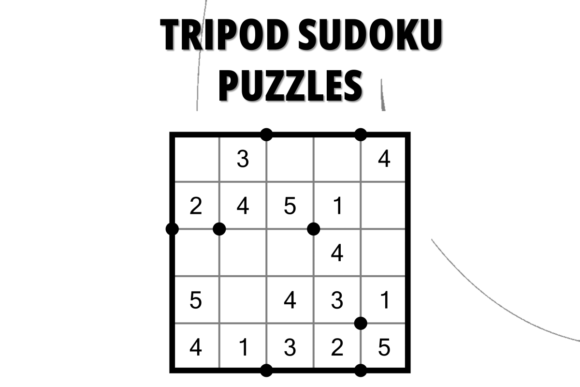
The 50 puzzles in the collection share a consistent visual language. Each one is built around a 5x5 grid, but the tripod element adds a triangular division that breaks the monotony. Numbers 1 through 5, dividers, and linking lines create a pattern that feels almost architectural. It is not cute. It is not floral. It is not trendy in the way seasonal motifs are. It is quietly clever, and that kind of design has a longer shelf life.
What This Design Actually Feels Like
The mood is intellectual but approachable. Think of a puzzle page in a Sunday newspaper, but stripped down to its bare graphic bones. The lines are crisp. The numbers are clear. The layout is repetitive enough to create a recognizable rhythm, but varied enough across the 50 puzzles that it does not feel like a single template repeated carelessly. For an embroidery designer, that repetition is valuable. It means you can build a product line around a consistent aesthetic without every piece looking identical.
I could see this working beautifully on a set of linen tea towels, each featuring a different puzzle from the collection. Or as a series of embroidered patches where each one has its own unique numerical arrangement. The visual personality is nerdy in the best way, the kind of design that appeals to puzzle lovers, math enthusiasts, teachers, and anyone who appreciates quiet, graphic minimalism.
Who Would Actually Buy This on a Finished Product
I always ask myself this question before committing to a design. If I stitch the Tripod Sudoku Puzzles 5x5 onto a product, who stops scrolling? Who picks it up at a craft fair? Based on the aesthetic, I see a few clear audiences. Puzzle hobbyists and Sudoku fans are the obvious ones. But there is also the buyer who loves clever, conversation-starting home decor. A throw pillow with a partially filled puzzle pattern invites curiosity. It makes people lean in.
Teachers and educators are another strong demographic. A tote bag with a Sudoku-inspired grid feels personal and profession-specific without being overly literal. The same goes for librarians, data analysts, and anyone with a thing for numbers. The design is niche enough to feel special, but broad enough that it is not completely obscure. That balance is hard to find, and the tripod structure gives it just enough visual twist to stand out from generic puzzle graphics.
How It Performs in Real Embroidery Scenarios
Let me walk through how I would actually use this. I have a client who sells handmade tote bags at a local market. She wants something that looks custom, not like a mass-produced transfer. The Tripod Sudoku Puzzles 5x5 design, when digitized properly, would stitch out with a clean, modern feel. The grid lines translate well to running stitch or a light satin stitch. The numbers need careful attention because small digits can close up if the stitch density is too high or the font size is reduced too aggressively.
On a canvas tote, I would probably use a medium-weight cutaway stabilizer and keep the design under five inches wide. The lines need to breathe. If I push the sizing too small, the dividers and numbers blur together and the puzzle becomes illegible. That defeats the purpose. The design sells because it is readable, because the viewer can mentally trace the rows and columns. If the embroidery loses that clarity, the product loses its value proposition.
On apparel, I would be more selective. A structured sweatshirt with a firm, stable front panel can handle the grid nicely. A thin, drapey t-shirt is riskier. The straight lines of the puzzle will show every wobble if the fabric shifts during stitching. I would not recommend this for lightweight jersey without serious hooping and a topper to keep the stitches from sinking in. Caps are another challenge. The curved surface distorts the grid, and the tripod angles might look skewed. If a client insists on a cap, I would test a simplified version of the puzzle first, maybe just the outer frame and a few numbers, rather than the full 5x5 grid.
Fabric and Color Considerations
Dark fabrics are your friend here. A white or light grey thread on charcoal or navy fabric makes the puzzle pop with high contrast. On light fabric, the design still works, but the thread choice becomes more critical. A pale thread on natural linen creates a subtle, tone-on-tone effect that feels elegant and understated. The danger zone is medium-toned fabric with low-contrast thread, where the numbers fade into the background and the puzzle loses its impact.
Textured fabrics like terry cloth or heavily napped fleece are not ideal. The fine lines of the grid will look jagged and uneven. I would stick to smooth, tightly woven substrates. Quilting cotton, linen blends, twill, and poplin all handle detailed line work much better. For baby items, a soft cotton interlock works if stabilized correctly, but I would enlarge the design slightly to keep the numbers from becoming too tiny to stitch cleanly.
Stitch Type and Density Decisions
If I were digitizing this from the provided SVG or PNG files, I would approach the grid lines with a triple running stitch for stability without bulk. The numbers could handle a narrow satin stitch, but I would keep the width under two millimeters to prevent them from looking chunky. The tripod dividers are the trickiest part. Those angled lines need to be sharp and precise. Any slight misalignment becomes obvious because the eye expects geometric perfection. I would test this on scrap fabric at least twice before committing to a final product.
The Tripod Sudoku Puzzles 5x5 files come in SVG and PNG format at 3300px by 3300px, 400dpi. That resolution is generous for print work and more than adequate for creating clean embroidery digitizing files. The high resolution means I can zoom in on the details without pixelation, which is essential when I am mapping out stitch paths for small numbers and fine lines. The quality of the source file directly affects the quality of the digitized result, and these files give me a solid foundation.
From KDP Interior to Embroidery Project
It is worth noting that this product is categorized under Kdp Interiors and listed as a Graphics type. That means the original intended use is for print-on-demand book interiors, activity books, and printable products. But as an embroidery designer, I regularly pull from graphic assets like this. A well-structured SVG can be imported into digitizing software, traced, and converted into stitch files. The key is understanding that the end use is different. What looks crisp on paper at 400dpi might need adjustments to work as thread on fabric. The numbers, for example, might need to be slightly enlarged or simplified for embroidery. The dividers might need a bit more breathing room.
Before using this for any commercial embroidery project, I would check the licensing terms carefully. The product description mentions KDP interior content, but does not specify whether the files can be used for physical products or only for print and digital goods. I always advise fellow makers to confirm that the license covers the intended use, especially if you plan to sell finished embroidered items, whether on Etsy, at craft fairs, or through your own shop.
Where This Design Shines Brightest
After spending time with the collection, I believe the strongest application is in home decor and accessories. A set of embroidered pillow covers, each featuring a different puzzle, would make a fantastic gift for a puzzle lover. Kitchen towels with a single puzzle motif stitched in one corner feel elevated and thoughtful. An embroidered patch collection, where each patch is a different puzzle, could become a signature product for a small shop. The consistency across the 50 puzzles allows for a cohesive product line without repetitive monotony.
For personalized gifts, the design opens up interesting possibilities. Imagine a custom apron for a math teacher with a tripod Sudoku puzzle embroidered on the pocket. Or a baby blanket with a soft, pastel-colored puzzle motif as a subtle decorative element. The design is unisex, age-neutral, and not tied to any specific season or trend. That is a huge advantage for small business owners who want products with staying power.
Practical Advice for Your Workflow
Before you commit this design to a finished product, here is what I recommend. Test it on the exact fabric you plan to use. Do not assume the linen sample will translate to the fleece blanket. Check the thread color under different lighting. A color that looks great under your studio lights might wash out in natural daylight. Review the stitch-out at actual size. If the numbers are too small to read at a glance, the design loses its purpose. Consider whether you need to simplify any elements for your specific machine and hoop size.
Run a black and white mockup of the design. This strips away the color distraction and shows you whether the composition holds up. If the puzzle looks confusing or cluttered in grayscale, thread color alone will not fix it. I also test on both light and dark backgrounds to see how the contrast plays out. What works on cream linen might disappear on beige cotton.
Use a proper stabilizer for the fabric type. For woven fabrics, a medium cutaway is usually sufficient. For knits, I add a water-soluble topper to prevent the stitches from sinking into the texture. For patches, a heavy cutaway or a specialty patch backing gives the finished piece structure and durability.
Final Thoughts Before You Stitch
The Tripod Sudoku Puzzles 5x5 collection is a smart, graphic-rich asset that lends itself well to thoughtful embroidery projects. It is not a design that screams for attention. It is a design that rewards a closer look. That quality makes it memorable, and memorable products build repeat customers. Whether you are a seasoned embroidery professional or a craft business owner exploring new design territory, this set offers a distinctive visual direction that is genuinely uncommon in the embroidery space.
I would not use it on every product. I would pick my substrates carefully, respect the detail level, and test thoroughly. But when placed on the right fabric, at the right size, with the right thread, this design has the quiet confidence that makes a handmade product feel intentional and original. That is the kind of design worth investing your time in.