Reloading Data Log Book KDP Interior Embroidery Review
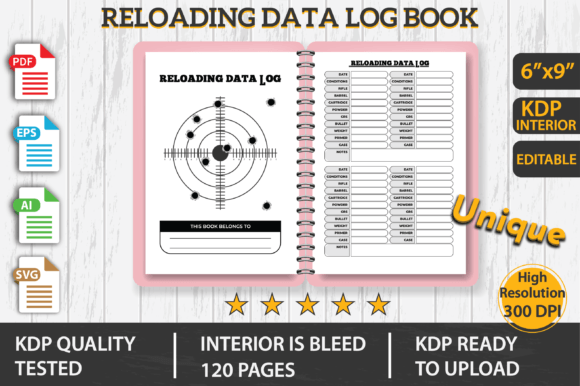
When I first opened the file for the Reloading Data Log Book KDP Interior, I immediately saw a design that carries a very specific, no-nonsense personality. It is not a soft floral or a generic holiday motif. This is a structured, utilitarian layout with a strong reloading theme — the kind of graphic that would feel right at home on a workbench, in a shooting range bag, or stitched onto a rugged canvas apron. As a designer who reviews potential embroidery assets with a practical eye, I found myself mentally placing this on caps, patch blanks, and heavy twill totes before I even zoomed in on the details. The mood is technical, precise, and steeped in a hands-on hobby culture that many crafters and small shop owners actively serve.
My focus is never on what a design looks like on screen alone. I think about how it will translate into thread, how the stitches will layer on textured fabric, and whether a customer holding a finished product will feel that the piece was worth every penny. The Reloading Data Log Book KDP Interior offers a layout that reads like a log sheet — tables, label fields, and a header structure that suggests meticulous record-keeping. For an embroidery project, that means a blend of possible satin stitch lettering, running stitch outlines, and fill stitch areas that need careful planning. The 6×9 inch format is a book interior dimension, but as an embroidery designer, I instantly resized it in my mind to fit common hoop sizes like 4×4, 5×7, and 8×12 inches. The bleed included in the source file is a bonus — it means the design elements are already set up to extend beyond a trim line, which is helpful if you want to frame a patch with a stitched border or create a full-coverage pocket design.
First Impression: Structure, Detail, and a Reloading Vibe
There is a certain satisfaction in seeing a design that does not try to be everything at once. The Reloading Data Log Book KDP Interior commits to its theme. The layout suggests organized data fields — powder charge, bullet weight, primer type, velocity — all the elements a reloader would log. This gave me an immediate mental image of how it could work as a machine embroidery design: a clean header with bold lettering, thin rule lines executed in running stitch, and small data blocks that would need careful digitizing to avoid thread buildup. The overall shape is rectangular, which makes it a natural fit for pocket flaps, chest prints on work shirts, or the front panel of a range bag. It does not try to be cute. It is honest, functional, and would appeal to a buyer who values precision as much in their gear as in their hobby.
I could see the potential for a personalized touch right away. A shop owner could add a customer’s name or a favorite load data entry into the design before stitching. The editable source file is a huge advantage here. Instead of receiving a flat, unchangeable embroidery file, you get the original graphic, which means you can adapt the text, tweak column widths, or even combine it with other design elements. That level of control is exactly what I look for when I’m building a cohesive product line for a craft business or an Etsy store.
Real-Life Project Scenario: A Custom Shooting Range Bag
Let me walk through a concrete use case. I recently worked with a small shop that wanted to offer embroidered range bags as a premium gift item. The client wanted something that felt both personal and authoritative — not a generic gun silhouette, but a design that spoke to the reloader’s meticulous nature. I pulled up the Reloading Data Log Book KDP Interior and started testing how it would look stitched on a heavy canvas tote bag in a 5×7 hoop. The log book format immediately clicked. I imagined the header “RELOADING DATA” in a solid satin stitch, with the data fields below rendered in a finer running stitch to keep the texture from becoming too dense. The bleed area allowed me to create a bordered patch effect, which would give the finished bag a structured, patch-like appearance without needing an actual separate patch.
On a dark olive canvas, I tested a high-contrast thread combination: a warm khaki for the main text and a muted orange for accent lines. The result in my mind’s eye was something that looked like a well-worn field notebook cover. The kind of product a customer would pick up at a gun show and immediately recognize as a thoughtful, niche offering. That is the real value of a design like this — it is not just a decorative image; it tells a story about the person who will use the bag.
Where This Design Shines — and Where You Need to Be Careful
After visualizing the design on multiple products, I can confidently say it works best on items that can handle a moderate amount of detail without distortion. Think structured caps, twill aprons, heavy cotton tea towels, canvas tote bags, and denim jackets. The rectangular layout aligns well with the flat, stable surface of a tote bag panel or a sweatshirt chest print. I would also consider it for a custom embroidered patch, where the design is stitched on a separate piece of fabric and then sewn onto a cap or a bag. That approach gives you more control over the final placement and lets you offer the patch as a standalone product — a smart move for Etsy sellers and craft fair vendors.
However, there are a few areas where caution is a must:
- Small hoop sizes: The original 6×9 inch dimensions are too large for a 4×4 hoop. If you shrink the design to fit, the small text and ruled lines may become illegible or too dense to stitch cleanly. Always test resizing on scrap fabric first.
- Stretchy or thin fabrics: A jersey t-shirt or a lightweight baby onesie will struggle with the dense fill areas that a log book design might require. The fabric can pucker, and the stitch definition will suffer. Use a heavy cutaway stabilizer if you must stitch on knits, but a woven fabric is always a safer bet.
- Dark fabric backgrounds: The design relies on clear contrast for the data fields. On a black or charcoal background, lighter thread colors are essential, but they also reveal every tiny stitch irregularity. Test your thread tension and choose a thread that pops without being too shiny.
- Curved surfaces like caps: The rectangular shape will fight the curve of a cap crown. I recommend placing the design on the side or back panel of a cap, or using a flat patch that can be attached after stitching.
Technical Embroidery Considerations That Matter
When I evaluate any design for machine embroidery, I think about stitch density, pathing, and how the design will age after multiple washes. The Reloading Data Log Book KDP Interior has a lot of potential for clean, readable stitching, but it also demands a thoughtful digitizing approach. The header text should be a crisp satin stitch, around 2.5 to 3 mm wide, to maintain legibility. The rule lines and table borders work beautifully as a single or double running stitch, which keeps the stitch count reasonable and prevents the fabric from becoming stiff. If you try to fill the entire background with a solid stitch, you will end up with a heavy, uncomfortable design that feels like a cardboard patch. I would digitize only the essential elements and leave the fabric to show through as the “paper” background.
Stabilizer choice is critical. For a canvas tote bag, I use a medium-weight cutaway stabilizer and a water-soluble topper if the fabric has a nap. For a structured cap, a tear-away stabilizer combined with a light adhesive spray keeps the design from shifting. The bleed included in the source file is a subtle advantage — it means you can extend background elements slightly beyond the intended trim line, which helps when you want a full-bleed look on a patch or a pocket without worrying about white edges peeking out.
Thread Color and Fabric Texture Pairings
Because the design is so rooted in a utilitarian, workshop aesthetic, I lean into muted, earthy thread palettes. Olive, charcoal, rust, warm tan, and a deep navy all reinforce the reloading theme. Avoid neon or overly bright colors unless you are deliberately targeting a novelty look. On heavy linen or cotton duck, a matte polyester thread gives a soft, vintage feel that complements the log book layout. On a smooth twill cap, a slightly glossy rayon thread can make the lettering pop, but it can also highlight any small registration errors, so test carefully.
For a personalized gift, consider using a single accent color for a custom data entry — maybe a customer’s favorite load or a commemorative date. That tiny detail transforms the design from a generic accessory into a meaningful keepsake. I have seen this approach work exceptionally well on kitchen towels (yes, for a reloader’s workshop towel) and on zippered pouches used for storing reloading dies.
From Digital File to Etsy Shop Asset
One of the most practical aspects of the Reloading Data Log Book KDP Interior is that it starts as an editable graphic. This means you can use it not only as a direct embroidery design (after proper digitizing) but also as a printable mockup to showcase your finished embroidered products. A clean, realistic mockup builds customer trust and increases engagement on Etsy or your own website. I frequently place a digitized version of the design on a virtual tote bag or cap image so buyers can see exactly what they are getting. The fact that the source file is editable means you can brand it with your shop name, add a subtle watermark, or create a cohesive look across multiple listings.
Before you start selling finished items or digital embroidery files, please confirm the licensing terms. The product description states an editable source file is included, but always check whether the license covers commercial use, resale of finished products, or distribution of derivative embroidery files. Do not assume anything. If the license is unclear, reach out to the original creator. Protecting your small business starts with knowing your rights.
Final Practical Notes for the Embroidery Designer
I always run a test stitch on a scrap of the exact fabric I plan to use. The Reloading Data Log Book KDP Interior will behave differently on a stiff canvas versus a soft flannel. Watch for thread breaks in the dense lettering, check for puckering along the rule lines, and examine the design in both black and white contrast to see if any details get lost. If you plan to scale the design down, do it in small increments and test again. Small text that looks crisp on screen can become a muddy mess under a needle. I have learned that lesson the hard way.
For those who sell at craft fairs or offer boutique embroidery services, this design fills a niche that is often underserved. The reloading community values quality and authenticity. A stitched log book design on a range bag or a cap signals that you understand the customer’s world. It is not a generic graphic; it is a conversation piece. And that is exactly the kind of product that builds a loyal, repeat customer base.
In the end, the Reloading Data Log Book KDP Interior is a smart, theme-specific asset that can elevate a handmade product line. It is not a flashy, high-density design, but it has a quiet authority that will appeal to the right buyer. Treat it with respect, digitize it with care, and it will serve your embroidery projects well.