Kids Maze TEMPLATES Spaghetti Style 1 Graphics Review for KDP Interiors
First Impressions of the Spaghetti Style Maze Design
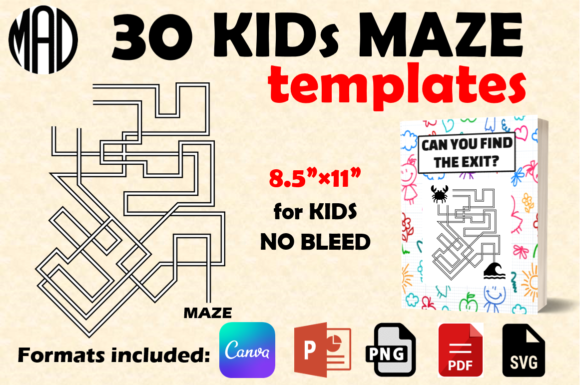
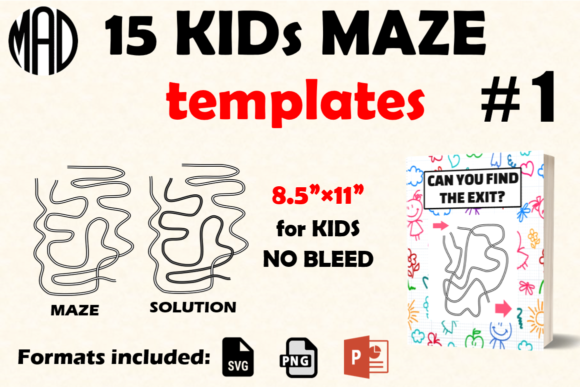
Opening the design bundle, the playful energy of Kids Maze TEMPLATES - Spaghetti Style 1 hits immediately. The wavy, noodle-like paths have a hand-drawn charm that feels organic rather than rigid. As a brand designer, I look for assets that carry personality without overwhelming the surrounding content — and this graphic design asset walks that line with surprising balance. The spaghetti curves create a sense of motion and whimsy, which makes the visual instantly feel approachable for young audiences and family-oriented brands. There is a tactile warmth in the linework that suggests handmade quality, a tone that works beautifully for creative design projects aimed at children's publishers, activity book creators, and playful product lines.
From a content marketer's perspective, the mood is lighthearted but not chaotic. The maze lines are distinct enough to read clearly at multiple sizes, which matters enormously when you are planning visuals across platforms. The digital product feels ready for both print and screen, and the inclusion of multiple file formats signals that the creator understands how real workflows operate. This is not just a decorative element — it is a functional printable design that can serve as a backbone for activity pages, puzzle inserts, and interactive content pieces.
How a Children's Brand Might Use These Maze Templates in a Real Campaign
Imagine a small educational publisher preparing a seasonal activity kit for summer learning. The brand needs visuals that feel friendly, encourage engagement, and maintain a consistent look across an A4 activity book, Instagram carousel posts, and a Pinterest traffic-driving pin. The Kids Maze TEMPLATES - Spaghetti Style 1 pack steps in as a ready-made commercial design solution. Each of the 15 templates can be recolored, resized, and styled to match the publisher's brand palette, turning a generic maze into a branded puzzle experience.
In a real workflow, the design bundle saves hours of illustration time. The SVG design files open cleanly in vector software, allowing precise edits without quality loss. The PNG design versions drop straight into Canva or PowerPoint for quick social media graphics. For KDP Interiors specifically, the PowerPoint PPT format is a practical touch — many activity book creators build directly in PowerPoint, and having native file compatibility removes friction. The package includes 15 maze templates in SVG, PNG, and PowerPoint PPT file formats, each ready to customize. These mazes make the perfect addition to any activity book for kids, and since the linework is already polished, the creator can focus on branding and layout rather than drawing from scratch.
Where the Spaghetti Maze Style Strengthens Visual Identity
When I evaluate a clipart or illustration set for brand work, I ask whether the asset can appear across multiple touchpoints without looking repetitive. These mazes, with their distinct spaghetti-line personality, add texture to brand identity projects in unexpected ways. A children's clothing brand, for example, could use a simplified maze snippet as a subtle pattern on packaging inserts or hang tags. The wavy line style conveys curiosity and exploration, which aligns naturally with logo design concepts for tutoring services, children's museums, or family-friendly cafes.
On packaging design and product label applications, the mazes work as decorative borders or accent graphics. A small-batch snack brand targeting kids could wrap a maze around the label edge, turning the packaging into an interactive experience. This level of thoughtfulness in marketing visuals signals to customers that the brand values engagement over passive consumption. The editorial design possibilities are equally strong — a children's magazine could run a branded maze corner using these templates, building visual recognition issue after issue.
Marketing Goals These Maze Graphics Help Achieve
Every design asset in a marketer's toolkit should pull its weight toward measurable outcomes. The Kids Maze TEMPLATES - Spaghetti Style 1 collection supports several key goals. First, it drives a stronger first impression by introducing an interactive visual element that surprises the viewer. Static graphics blend into feeds; a recognizable maze pattern invites pause and interaction. Second, the consistent line style across all 15 templates enables more consistent branding when the mazes appear across different pages, posts, or products. Third, the playful aesthetic builds audience trust by signaling that the brand understands its demographic — parents and children respond to visuals that feel thoughtfully designed rather than aggressively commercial.
The visual hierarchy of a page improves when a maze acts as a framing device. In a social media graphic, the maze can surround a central headline or product image, guiding the eye inward. This structural role makes the asset valuable beyond mere decoration. For digital ads and Facebook ads, the maze pattern can serve as a distinctive background that differentiates the brand from competitors using stock photography. The emotional connection comes from nostalgia — mazes remind adults of childhood puzzle books, and that warmth transfers to the brand using them. A professional appearance is maintained because the linework is clean and the templates are editable, preventing the sloppy look that sometimes plagues handmade-style graphics.
Tactical Applications Across Digital and Print Campaigns
In my workflow, I test every Canva template candidate against a list of real-world placements. The Kids Maze TEMPLATES - Spaghetti Style 1 excels in hero graphics for blog posts about parenting, education, or children's activities. A website header featuring a branded maze draws the eye and communicates the site's child-friendly focus within seconds. For Pinterest pins, the maze creates a clickable curiosity — users want to solve the puzzle or see the solution, driving traffic to the linked content. Instagram posts with maze elements tend to hold attention longer, which the algorithm rewards.
Print applications are equally compelling. Event flyers for school fairs, library programs, or birthday parties gain a themed, polished look when a maze is integrated into the layout. Merchandise like stickers or activity placemats benefits from the ready-to-print PNG design files. Lead magnets such as free printable activity sheets can feature these mazes as the core offering, building an email list while delivering genuine value. Media kits and content bundles look more comprehensive when activity pages are included, and the maze templates provide a quick way to create those pages without hiring an illustrator. The commercial design potential extends to digital product creation — coaches and course creators can use the mazes in workbooks or bonus materials for programs targeting parents or educators.
When to Use Caution with Spaghetti Style Maze Graphics
No graphic design asset works universally. The Kids Maze TEMPLATES - Spaghetti Style 1 collection, while versatile, has contexts where it should be used carefully or avoided. In formal corporate branding, the playful spaghetti lines may undermine a serious tone. A law firm, financial institution, or B2B consultancy would find the style mismatched with their professional branding requirements. Similarly, dense information layouts like data-heavy infographics or technical documentation can become visually cluttered when maze elements compete for attention.
On small mobile graphics, the maze details may lose clarity. I always preview social media covers and digital ads at actual mobile screen sizes to confirm the lines remain distinct. Low-contrast backgrounds pose another risk — the spaghetti lines need sufficient contrast against their backdrop to stay legible, especially for younger viewers. Overly minimal brands that rely on stark white space and geometric precision may find the organic curves disruptive rather than complementary. In text-heavy ads, a maze background could fight with the headline for visual dominance, so I recommend using the maze as a contained accent rather than a full-bleed backdrop in those cases. The key is testing: place the asset inside real campaign mockups, preview on multiple devices, and compare against competitor visuals to ensure the maze supports rather than sabotages the main message.
Designer Notes on Typography, Color, and Balance
One of the most valuable exercises I perform with any SVG design is pairing it against different font families. The Kids Maze TEMPLATES - Spaghetti Style 1 lines have a rounded, organic quality that pairs beautifully with handwritten font and script font styles — the combination feels cohesive and warm. A sans serif font with soft edges, like a rounded geometric typeface, creates a modern yet approachable look suitable for web design and Canva template projects. Serif font pairings introduce a storybook quality that works well for editorial design and print-first brands. Display font choices can lean into the playful mood, but I caution against overly decorative typefaces that might clash with the already-detailed maze lines.
Color testing is critical. I run the mazes through the brand's primary and secondary palettes, checking how the lines behave in both full color and black and white. A maze that reads well in vibrant hues may lose definition in grayscale, which matters for printable activity sheets intended for black-and-white printing. Spacing and balance reviews reveal whether the maze needs scaling up or down to sit comfortably within a layout. I also test the commercial license terms before committing the asset to client work, paid campaigns, or business branding — the clarity of licensing determines whether a design asset can live in a creative marketplace product or a client deliverable without legal risk. The Kids Maze TEMPLATES - Spaghetti Style 1 package, being clearly positioned for KDP Interiors and Graphics use, suggests that the creator understands commercial needs, but I always confirm the specifics before finalizing any small business branding project.
Why This Maze Bundle Earns a Place in a Content Creator's Toolkit
After testing the Kids Maze TEMPLATES - Spaghetti Style 1 across mockups, platforms, and pairing scenarios, I see it as a strong modern design addition for creators who serve audiences with children or families. The asset fills a specific gap — it provides activity-focused design assets that are polished enough for professional branding yet playful enough to connect emotionally. The file format flexibility, with SVG for precision editing, PNG for quick placement, and PowerPoint for direct KDP Interiors integration, shows an understanding of the diverse workflows that content marketing professionals navigate daily.
For product creators, digital sellers, and creative entrepreneurs building activity books, social media content, or promotional materials, this design bundle reduces production time while maintaining visual quality. The audience trust earned through consistent, well-designed activity graphics translates into better engagement and more memorable campaign visuals. A maze is not just a puzzle — it is an invitation to interact, and brands that extend that invitation thoughtfully position themselves as generous and engaging. The Kids Maze TEMPLATES - Spaghetti Style 1 delivers that invitation in a format that is easy to customize, brand, and deploy across the marketing visuals that matter most to a growing business.